Precision Coffee Roasters
Every batch we sell has a published roast curve behind it — the exact temperature arc a bean travelled through, from a cold drum to your cup.
The Board
We don't keep a rotating seasonal menu just to seem busy. Every roast on this board earns its place, and stays until something genuinely better replaces it.
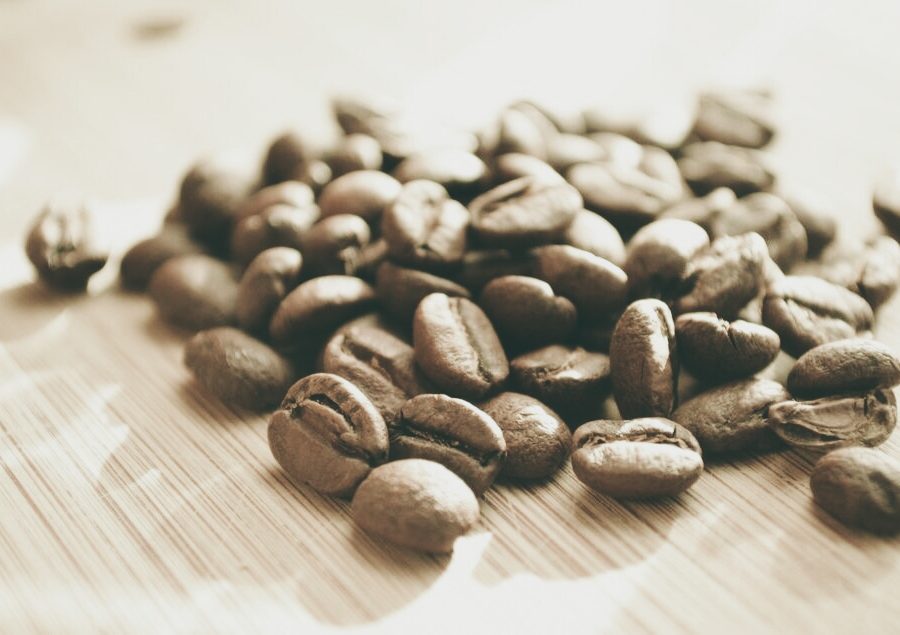
Washed Ethiopian Yirgacheffe, roasted light to keep every bit of the bergamot and stone-fruit brightness the lot came in with.
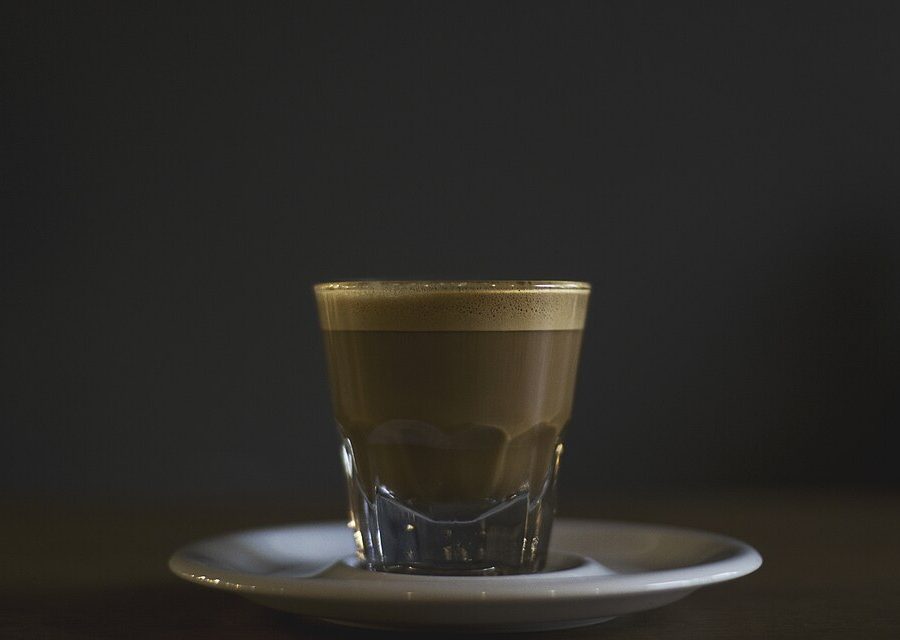
A washed Colombian Huila roasted to a balanced medium — caramel, red apple, a clean cocoa finish.
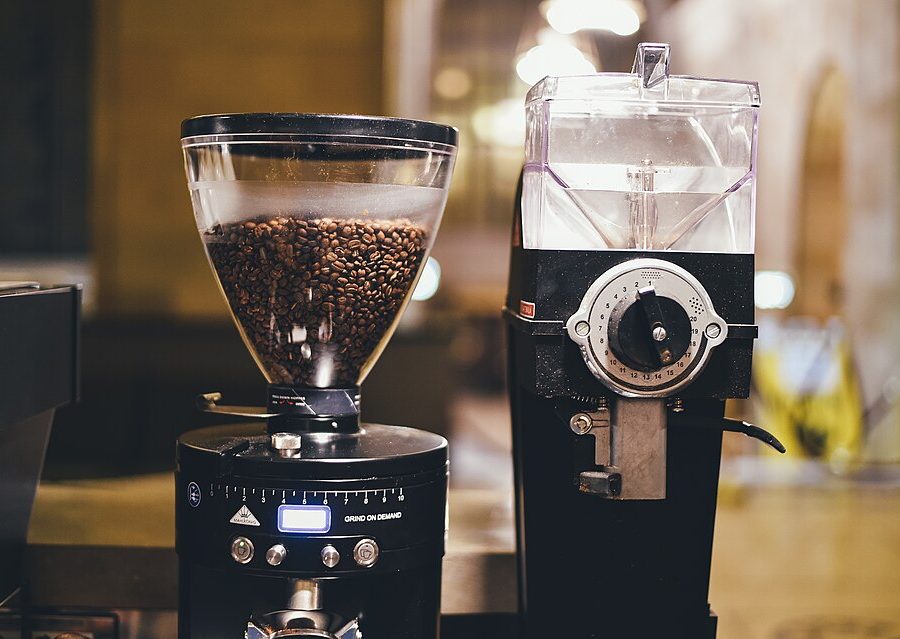
Wet-hulled Sumatra Mandheling pushed into second crack for cedar, dark chocolate, and a low, syrupy body.
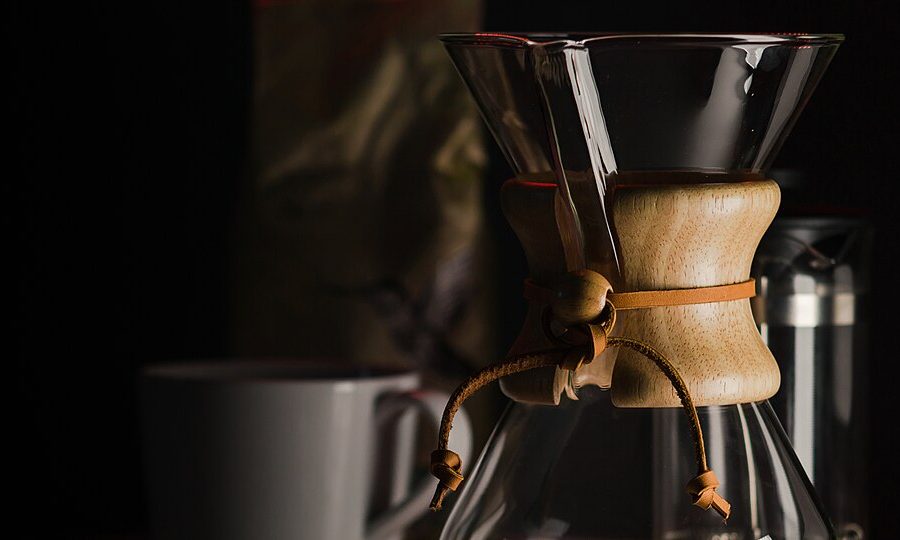
Our house espresso: Brazil for body, Guatemala for structure. Chocolate, roasted hazelnut, a short sweet finish.
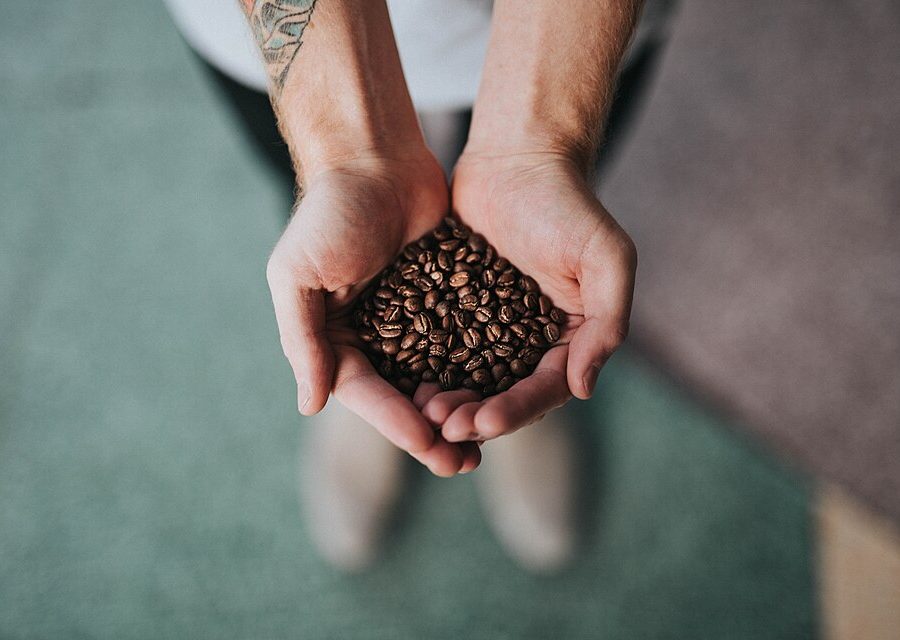
Kenya Nyeri, roasted light-medium to keep the blackcurrant acidity that makes this the most divisive coffee we sell.
Swiss Water decaf from Guatemala Antigua, roasted medium — brown sugar, toasted almond, no chemical solvents.

The Roast Log
This is an actual roast log from a production batch of Copper Line — the temperatures and timestamps a roaster reads off the drum in real time.
Charge temperature is the first decision that shapes the whole batch — too hot and the outside scorches before the inside catches up; too cool and the roast runs long and tastes baked.
Green coffee is roughly 10-12% water by weight. Nothing interesting flavour-wise happens until that water is gone — the drying phase is patience, not chemistry, yet.
The Maillard reaction — the same browning chemistry that crusts a seared steak — is what turns a flavourless green bean into something with body and sweetness. This is the roast's real engine.
An audible pop as internal pressure exceeds the bean's structural strength. From here, every added second measurably changes the cup — this is where a roaster earns their pay.
Drop temperature and total time together define the roast level. Copper Line drops here for a balanced medium — cooled fast, on purpose, to stop the roast dead rather than let residual heat keep cooking it.
Origins


A roast curve you can't explain isn't a house style, it's a mistake you haven't found yet. Publish it and someone will find it for you. Owen Marsh, Head Roaster
The Roasters
The Journal

Coffee releases CO2 for one to three weeks after roasting — which is why a bag brewed the same day…

First crack is the moment trapped moisture and CO2 inside the bean overcome the structural strength of the cell walls…

Most roasters treat the roast curve as trade secret. We think that’s backwards for a product where the curve is…
Wholesale
Tell us about your bar and volume, and we'll put together a tasting.